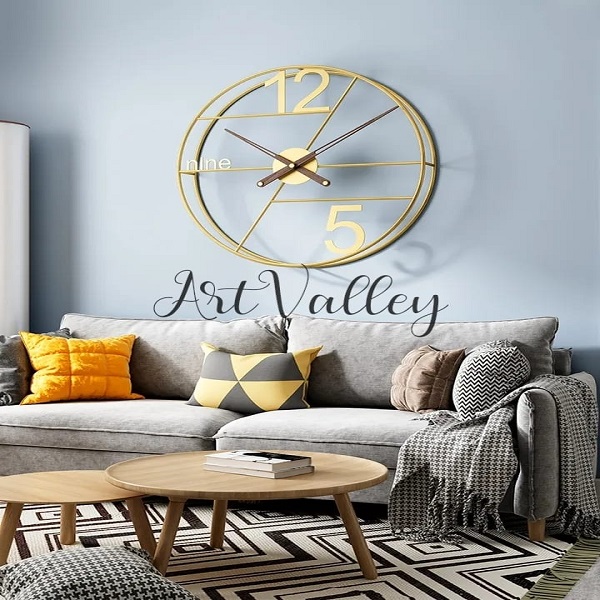
The 1950s were a prosperous time for middle-class families worldwide. New families settled away from the city center in suburban residential neighborhoods. There was more time to relax and enjoy leisure. The interior design was fun and vibrant, with wall clocks.
The design characteristic of the
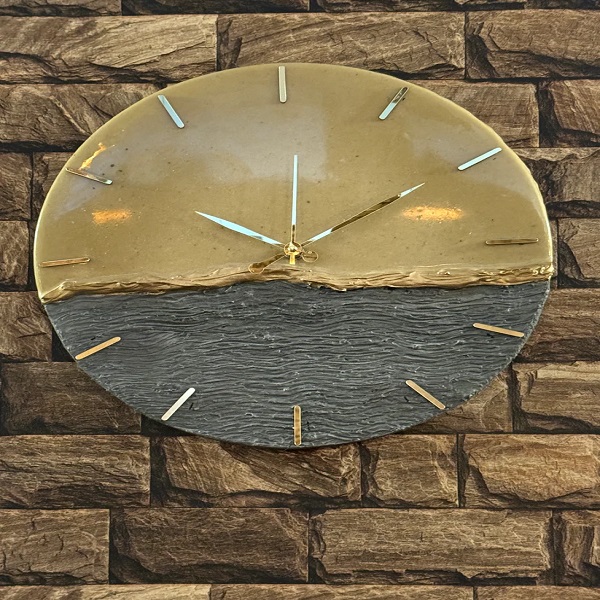
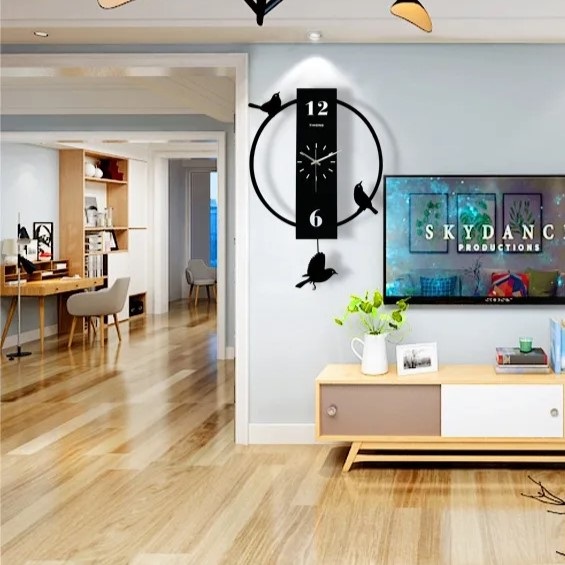
Chrono wall clock is clean designs, with a Scandinavian influence, space (the cosmos), and shapes inspired by the atomic age, also known as Mid-Century Modern. This style, now traditional, is still popular, but today it is achieved with new materials.
A Chrono wall clock is there to tell the time.
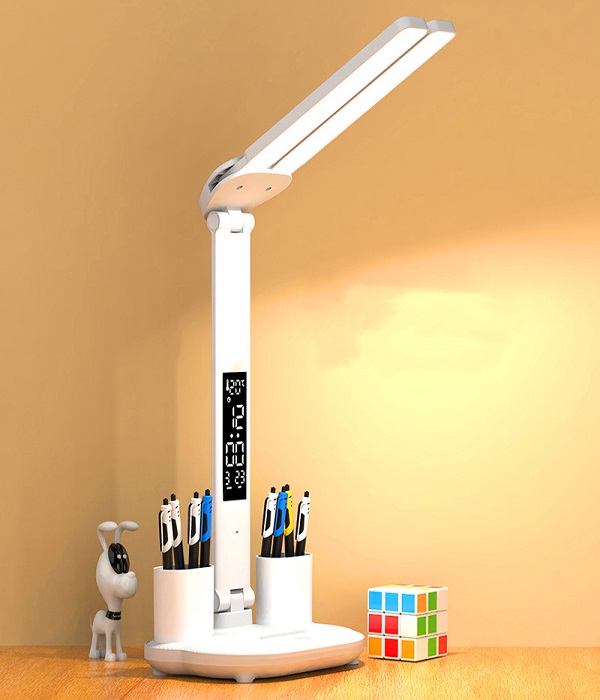
Although history is unclear about when mechanical clocks came into our lives, some theories place them in the West and others in the Far East. What is important is their function, which they carry out in various formats and which, with technological advances, far exceeds their essential mission of telling the time. Today, they add many other features to their different versions, especially our
business desk lamp.
However, a
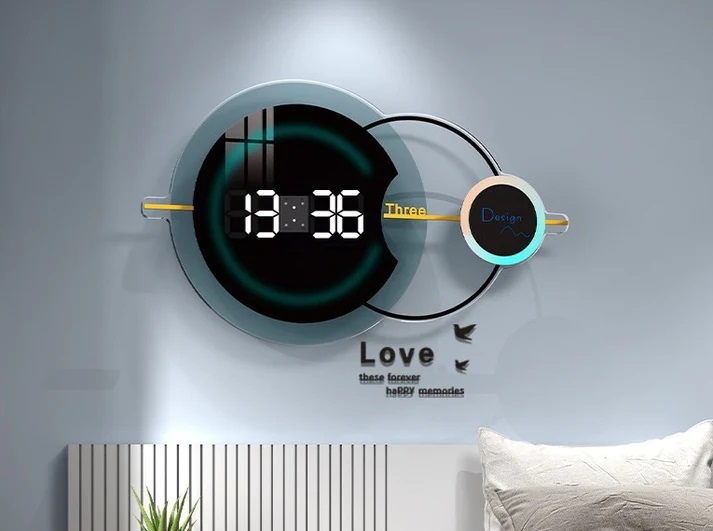
chrono wall clock still retains the priority role of telling the time and, very importantly, the design that surrounds this utility. Although they do not come close to reaching the extra possibilities if you look for them, there are also multifunctional ones that can act as an alarm clock, give the date and temperature, and even measure air humidity.
Chrono wall clock: What material
It is not a mathematical rule, but a wide range of materials usually correspond to various models. The
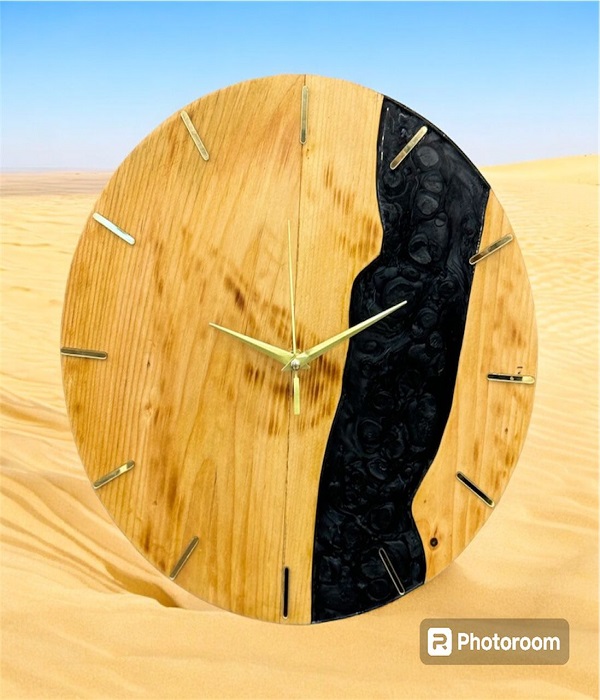
Chrono wall clock is no exception. We point out some of the most common ones. Of all of them, those made of wood and metal are the most appropriate to give a classic touch:
- Wood
- Plastic in very different resistances
- Metal
- With aluminum and plastic casing
- Acrylic
Keys to keep in mind before buying a wall clock
Design: We put it in the first place because, as we have mentioned, the functionality of the wall clock to tell the time is not minor, but the aesthetic packaging is also very important. It is one of the objects most worked on by designers who have seen the versatility of new materials as a goldmine to develop their creativity.
Energy supply: Batteries, quartz batteries, winding devices in mechanical clocks, and even models that are charged through sunlight entering through the clock face.
Sound: Just one aspect to consider with conventional clocks. It's not that the ticking is annoying in general, but it depends on where it is placed. It's not the same in a busy living room as in a quiet room. In any case, it's not a serious problem nowadays as they are quite silent.
Dimensions: Logically, it depends mainly on the location where you want to put it and on your aesthetic tastes since, even if there isn't much space, you can opt for a dial or a large surface that takes up the whole space.
Extras: We have already mentioned some, such as the capacity for alarms or for measuring ambient humidity or temperature. There are
business desk lamps with light components that can add an aesthetic touch. There are even wall clocks that offer the phases of the moon.
?  timetreasures.pk@gmail.com
  0307-2274499