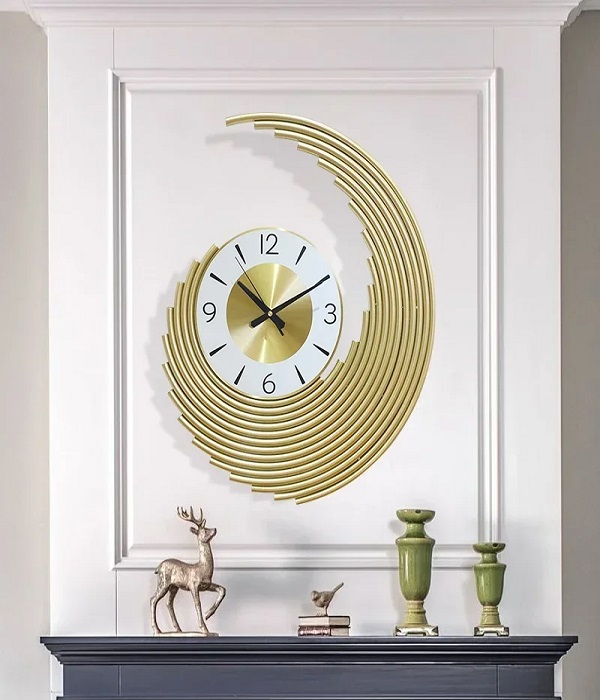
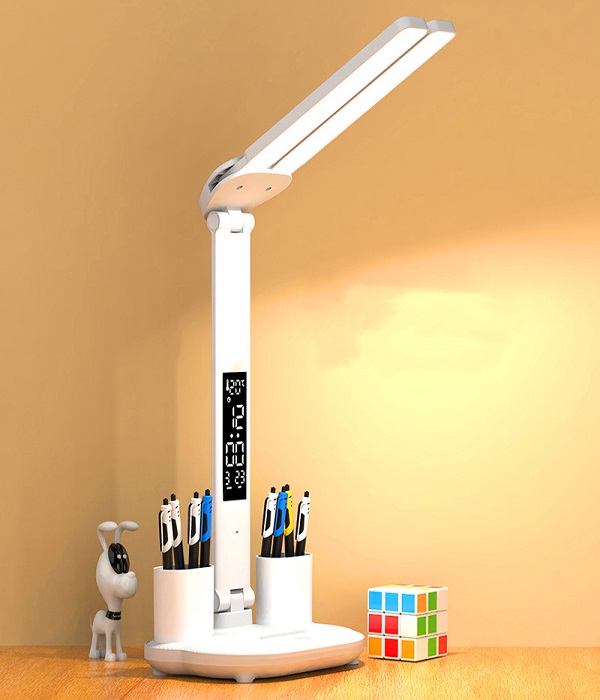
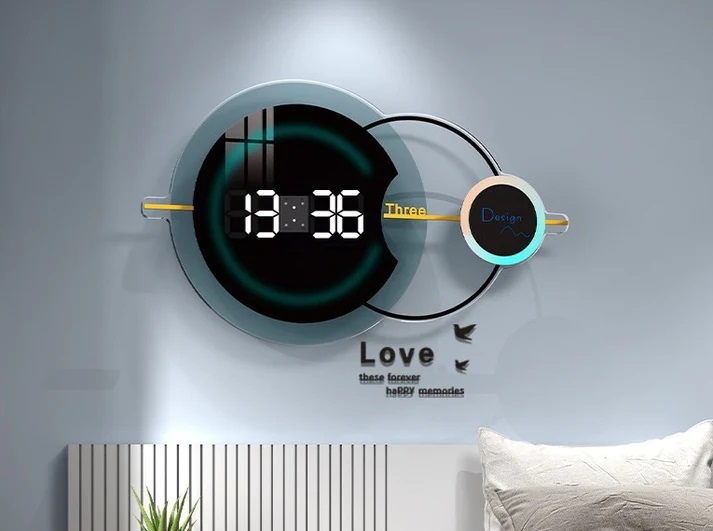
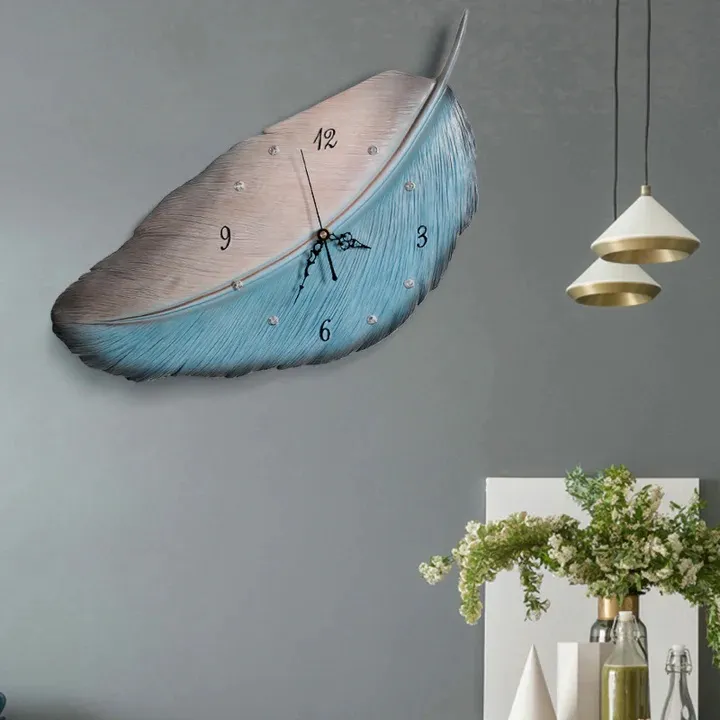
The wall clock is an essential element in decorating any home or office, but its value goes beyond the simple function of telling time. This object also represents an artifact that combines aesthetics, engineering, and tradition. The construction of a wall clock involves a meticulous process and specialized knowledge in the selection of materials and in the design and assembly of its components.
Our?
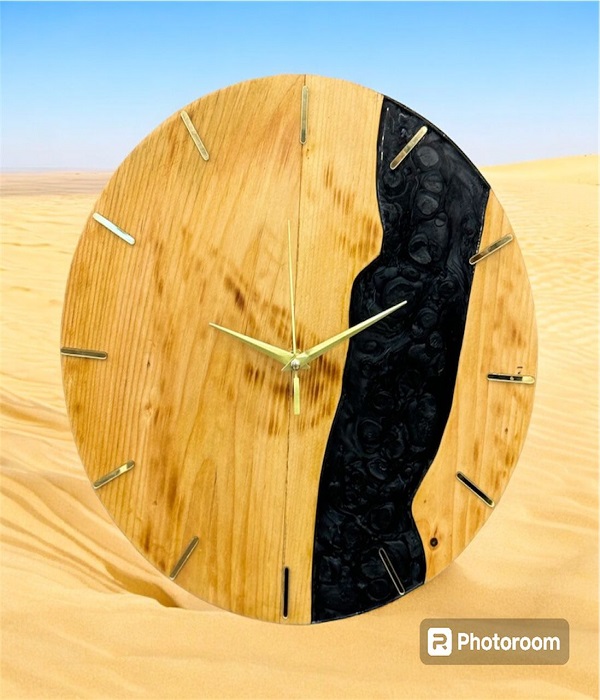
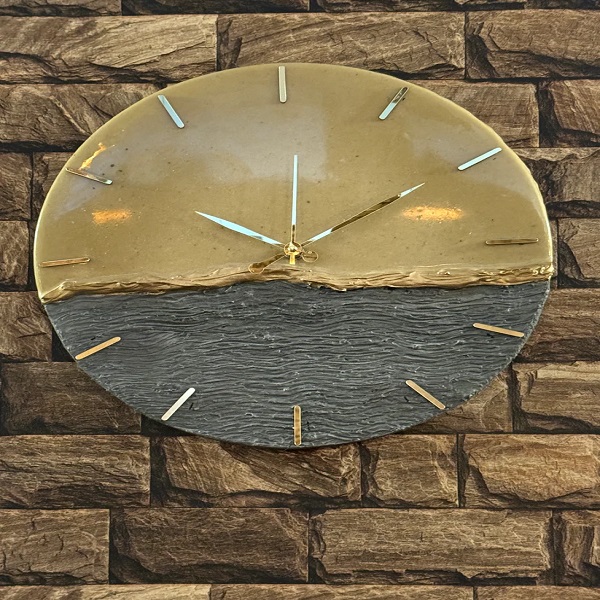
handmade black gold resin clock is not just a timepiece, but a piece of art that you will love and appreciate in your space.
To better understand how a wall clock like our beautiful?
Haven Clock?is made, it will be necessary to analyze each phase of its production, from the initial materials to the final assembly process. Among the aspects that cannot be overlooked are the choice of mechanism, design, and finishes that make the difference between an ordinary wall clock and a truly unique one.
Upon completion, the reader will be better equipped with the knowledge necessary to appreciate both simple and more elaborate wall clocks and understand the relevance of each component in their operation. This is intended to make it clear that creating these instruments is a combination of science and art, increasingly appreciated in contemporary times.
Materials used in the construction of a wall clock
The first step in producing a?
handmade black gold resin clock?is selecting the appropriate materials, such as resin. The type of materials can influence not only the clock's aesthetics but also its durability and function.
The main materials used in its construction include:
- Wood:Commonly used for the frames and base, wood brings a classic touch and warmth to the design. Depending on the desired style, different types of wood, such as oak, ash, or fir, can be selected.
- Metal:Metal is used in some designs for frames or decorative details. Metals like stainless steel or aluminum are popular for their strength and modern aesthetics.
- Glass is generallyused to cover the clock face, protecting it from dust and damage. Depending on the visual effect sought it can be transparent or frosted.
- Resin: It is light and versatile; its appearance has a classiness. Each material has unique characteristics that affect the aesthetics and functionality of the clock.
The combination of these materials can create a completely different wall clock in terms of style and use. Thus, the initial design of the clock is built based on the properties, and due to the interaction between the selected materials, different configurations are created that highlight the qualities of each component.
?
Handmade black gold resin clock design and aesthetics
Designing a wall clock like a?
Haven clock?involves artistic creativity and technical functionality. Various styles, from minimalist to more ornate, are available.
Here are some trends in wall clock design:
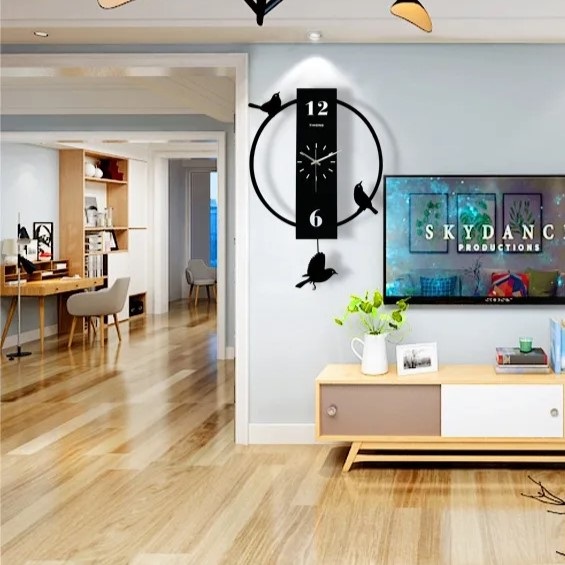
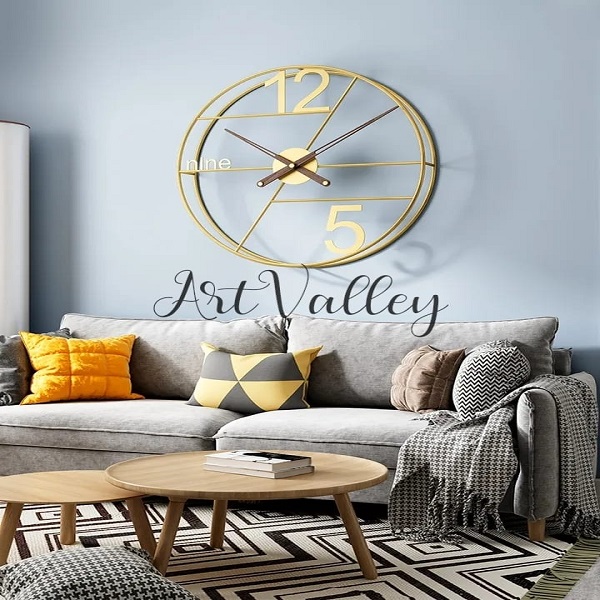
Contemporary style: With clean lines and a neutral color palette, contemporary clocks typically emphasize simplicity and elegance.
Vintage:?Designs that evoke bygone eras, with dark wood finishes and ornamental details. This style seeks an emotional connection to the past.
Industrial:?Inspired by factories and urban design, they often use metallic materials and rough finishes for a more raw effect. In addition to the styles mentioned, the design extends to the selection of numbers and hands. They can be thin and sleek or robust and striking, significantly influencing the overall perception of the clock.
 timetreasures.pk@gmail.com
  0307-2274499